
Tooth Extractions – Norman, OK
Removing Damaged Teeth as Comfortably as Possible

Pulling teeth, as the saying goes, does not have to be a drawn-out, negative experience. We can perform tooth extractions in Norman quickly and with minimal discomfort to treat a host of dental conditions, including advanced gum disease. Patients suffering from broken, cracked, and/or excessively decayed or damaged teeth (that aren’t good candidates for the alternative treatment--root canal) will benefit from this often simple and straightforward procedure.
Why Choose Bobby J. Carmen, DDS for Tooth Extractions?
- Same-Day Emergency Dental Appointments
- In-House Dental Implant Placement
- Experienced, Personable Dentist
Do I Need a Tooth Extraction?

We may recommend tooth extractions, also called exodontias, in these situations:
- When wisdom teeth, or third molars, emerge as non-functional, and/or misaligned.
- If a candidate for dentures only has a few worn or compromised remaining teeth on an arch, we may recommend extractions so a full denture can be placed.
- Patients, often younger children, may have impacted teeth positioned to emerge out of alignment, or teeth that block others from erupting.
- Orthodontic patients with overcrowded mouths that require more space along the jawline to properly align the teeth.
Whatever brings you to us for an extraction, expect to have a thorough examination, including X-rays, before we determine a course of action. You may feel apprehensive, so we dedicate ourselves to answering all of your questions before we proceed. Plan to discuss with us your medical history, any past tooth extractions and associated problems with excessive bleeding, and any medications you take. In all but simple cases where the tooth is visible above the gum line, we may refer you to an oral surgeon.
The Tooth Extraction Process
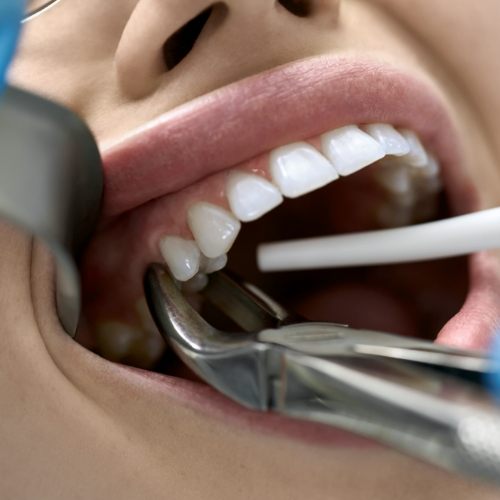
The day of your tooth extraction, we anesthetize the area and carefully rock the tooth back and forth to expand the socket and loosen the ligaments. You will feel pressure but should be “numb” to any real discomfort.
Tooth Extraction Aftercare
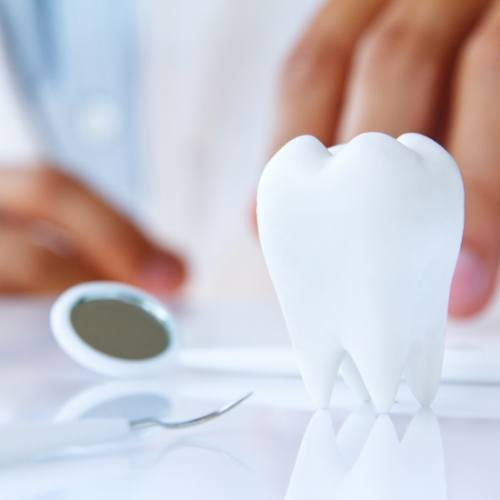
For post-tooth extraction care and to protect the blood clot that will form in the empty tooth socket, we advise patients to avoid rinsing, spitting, sucking through straws, hot foods, cigarettes or alcohol during the first 24 hours. If alveolar osteitis, also known as dry socket, occurs, we will recommend an immediate course of action. You should also adhere to a liquid diet during the first day and use clean gauze, or even tea bags, to pack the wound. Remember, a small amount of bleeding is normal and ice and acetaminophen will help with the swelling and discomfort.
After 24 hours, you'll begin a regimen of gentle, saltwater rinses and resume your normal oral hygiene routine, taking care to avoid the empty socket and the adjacent teeth. Within two weeks, you can expect to feel significantly better.
We partner with you before, during, and after the dental procedures we recommend. If you have a tooth extraction scheduled, you can feel confident that we will fully explain what to expect and will provide thorough and compassionate care. Finally, many patients who have extractions performed benefit from dental implants paired with crowns to rebuild the tooth, so ask us about this prosthetic option.
Tooth Extractions FAQs
What’s the Recovery for a Tooth Extraction Like?
Once you’ve had a tooth extraction, you’ll need to recover by following detailed aftercare instructions. Your mouth won’t heal properly otherwise.
The most crucial guidance (aside from rest) is that you don't touch the forming blood clot. If you irritate or dislodge it, you could develop a dry socket that causes lasting oral problems. That means you mustn’t poke it with your finger, tongue, or any other body part. Similarly, you shouldn’t spit or drink through a straw; suction can move the blood clot.
Of course, you’ll also need to keep your mouth clean during recovery. You should thus remember to do saltwater rinses, brush your teeth, and floss within three days of your procedure.
Can I Leave the Space Empty After a Tooth Extraction?
You can technically leave the space empty after a tooth extraction, but dentists strongly advise against it. Doing so puts your smile at risk of various health problems.
Remember, your natural teeth do more than just help you smile. Each of them also ensures you can chew your food and enunciate your words smoothly. Given these facts, you’ll have trouble eating and speaking well if you don’t replace a missing tooth. Such problems will lead to poor nutrition, indigestion, speech impediments, etc.
After you’ve healed from treatment, you should quickly see your dentist for a tooth replacement. You can then avoid the troubles of tooth loss.
What Risks Are Involved with Tooth Extractions?
Tooth extractions are extremely safe, but they do have their share of risks. You’d do well to consider these potential perils ahead of your treatment.
All things considered, tooth extractions only carry two notable health risks. The first is a dry socket, which can occur if the blood clot forming after treatment is irritated or dislodged. Second is an infection of your gum tissue that might spread throughout your body. Should the latter occur, you must handle it swiftly to keep infectious bacteria from spreading throughout your body.
Dentists provide extensive aftercare instructions to prevent the risks above. Similarly, they tell you about a few infection symptoms you should look out for.
How Should I Prepare for My Tooth Extraction?
You must prepare for your tooth extraction beforehand to ensure it’s effective. With that said, several tasks can help you do so.
The first thing to do is ask your dentist about treatment-related concerns before your procedure. For instance, you might consult them about whether you should bring anything to your appointment. You could also ask the dentist what (if anything) you should eat the morning of your extraction treatment.
Secondly, make sure to follow any specific instructions your dentist gives. One such suggestion might be a pre-treatment fast, which has you stick to water the morning of your extraction. Another would be picking up a prescription medication to take before (or after) treatment.